Understanding Wet Cat Food: Taste, Texture, and Technology Involved
5 Aug
2025
Highlights:
- Introduction
- Health-Focused Formulas with Real Ingredients
- Smarter Packaging and Clean-Label Trends
Feeding cats can sound like a simple routine, but it involves a deep understanding of pet health, evolving preferences, and nutritional precision. Wet cat food, often chosen for its texture and moisture content, happens to draw attention, not just from cat owners but also from those involved in production, distribution, and product innovation. Businesses that create or handle wet cat food are focusing less on flashy branding and more on what actually goes into the bowl.
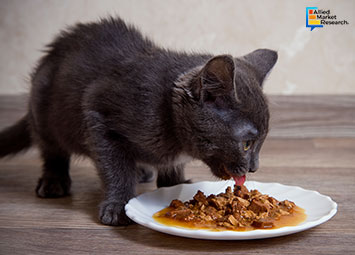
Why Wet Cat Food Has a Strong Product IdentityWet cat food is not just a variation of pet meals with higher moisture. It has distinct characteristics that influence purchasing decisions at a commercial level. The product usually comes in cans, trays, or pouches, each format catering to specific storage and portioning needs. Its composition offers a higher water content, which appeals to feline biology since many cats do not drink sufficient water independently. This makes the product suitable for hydration-sensitive cats or those prone to kidney issues.
One of the core product qualities that makes wet food stand out is its palatability. The texture is softer and more aromatic compared to dry kibbles. This attracts older cats or those with dental issues. On the production side, it allows for blending meats, gravies, and functional ingredients with a degree of flexibility not often found in dry formats. Brands are also investing in smooth pâté textures or tender morsels in sauces to meet texture-based preferences.
Ingredients and Nutritional Strategy Are Key DriversFormulating wet cat food is increasingly dependent on scientific data and feline dietary research. Unlike traditional meals, the newer generation of products aims to combine indulgence with health. There’s a clear shift toward natural, high-protein formulations that exclude poultry by-product meals, corn, wheat, soy, and artificial preservatives. This is not simply a trend but a response to veterinarian input and consumer pressure for transparent ingredient lists.
Recently, Blue Buffalo launched BLUE Tastefuls, a line of wet cat food tailored to balance taste and nutrition. This development followed extensive studies with both veterinarians and cat parents. The product addresses common challenges like mealtime pickiness, which often leads to waste or incomplete nutrition. Their formulations feature real meat as the first ingredient and cater to different life stages; kitten, adult, and mature cats. These variants are designed with antioxidants, vitamins, and minerals to support vision, immunity, and digestion.
Producers are now differentiating wet food not just by flavor but by life stage, activity level, and health concerns. For businesses, this opens up new collaboration possibilities with veterinary clinics, pet nutrition consultants, and ingredient suppliers specializing in functional additives like omega fatty acids or probiotics. According to Allied Market Research, the wet cat food industry accounted for $4.6 billion in 2020 and is expected to reach $7.9 billion by 2030, citing a CAGR of 5.7% during 2021-2030.
Packaging Design and Processing Are Changing the ScenarioWhile the contents of the product are important, how wet cat food is packaged and processed cannot be overlooked. Lightweight, easy-peel trays and recyclable pouches are replacing traditional steel cans in many areas. This not only affects logistics and transportation but also supports sustainability targets set by various pet food manufacturers.
Processing methods are becoming more sophisticated, focusing on sterilization techniques that preserve texture and nutrients without overcooking. In large-scale manufacturing, companies are now using thermal processing systems that ensure food safety while keeping sensory attributes intact. This technical shift has significant implications for co-packers and food tech firms that serve the pet food industry.
The demand for clean-label packaging is also prompting changes in how product information is displayed. More brands are printing nutritional transparency right on the front, making it easier for veterinary distributors and pet store chains to communicate benefits directly to end-users.
New Entrants and Product Repositioning Are Reshaping the LandscapeThere has been an increase in wet cat food lines being repositioned to reflect health-forward choices rather than just gourmet indulgence. Recent years have also seen traditional dry food players entering the wet segment. Many of these newcomers are utilizing consumer data to shape products that fill nutritional gaps while also appealing to feline preferences for variety in flavor and texture.
BLUE Tastefuls, for instance, emerged as a refined replacement for the brand’s older wet food line. According to the company, the reformulated product was driven by years of research and testing to develop meals that are not only appetizing but also beneficial for a cat’s daily wellness.
The CruxWet cat food has evolved from being a premium offering to a nutrition-forward staple in feline diets. Taste, texture, and nutrition are no longer separate silos but are now woven tightly into each stage of the product lifecycle. With more investment going into formulation science, packaging innovation, and functional nutrition, the wet cat food category is reflecting deep product intelligence over superficial appeal.
This product-focused evolution presents new opportunities for business collaborations, whether through contract manufacturing, packaging upgrades, or nutritional consultancy. With more players turning to scientific and data-led approaches, wet cat food is becoming less about luxury and more about precision, care, and product integrity.
Contact our specialists for an in-depth look at the latest trends shaping the wet cat food industry.
✍ **𝑨𝒓𝒕𝒊𝒄𝒍𝒆 𝒘𝒓𝒊𝒕𝒆𝒓: Koyel Ghosh

Koyel Ghosh
Author’s Bio- Koyel Ghosh is a blogger with a strong passion and enjoys writing in miscellaneous domains, as she believes it lets her explore a wide variety of niches. She has an innate interest in creativity and enjoys experimenting with different writing styles. A writer who never stops imagining, she has been serving the corporate industry for the last five years.
Avenue: Entire Library membership of Allied Market Research Reports at your disposal
- Avenue is an innovative subscription-based online report database.
- Avail an online access to the entire library of syndicated reports on more than 2,000 niche industries and company profiles on more than 12,000 firms across 11 domains.
- A cost-effective model tailored for entrepreneurs, investors, and students & researchers at universities.
- Request customizations, suggest new reports, and avail analyst support as per your requirements.
- Get an access to the library of reports at any time from any device and anywhere.
Related Post

Share on Social Media


-
How are Submarine Cables Transforming Global Connectivity with Enhanced User Experience?
-
Endoscopy Procedures: Transformations in Techniques and Applications
-
AI-Powered Video Analytics: How the Product Actually Works for enterprises
-
Painting Robots: Transforming Precision Coating and Creative Applications
-
Innovations in Pharmacovigilance Systems Advancing Patient Safety
-
Understanding Edge Security: Keeping Data Safe Near the Source
-
Exploring the Use and Advancements of 3D Laser Scanners in Professional Applications
-
Reinforcing Industrial Controls with Smarter Tools and Training