Artificial Intelligence Running on Mobile Is All Set to Become an Essential Part of Vendor Roadmap – Explore How
24 Dec
2021
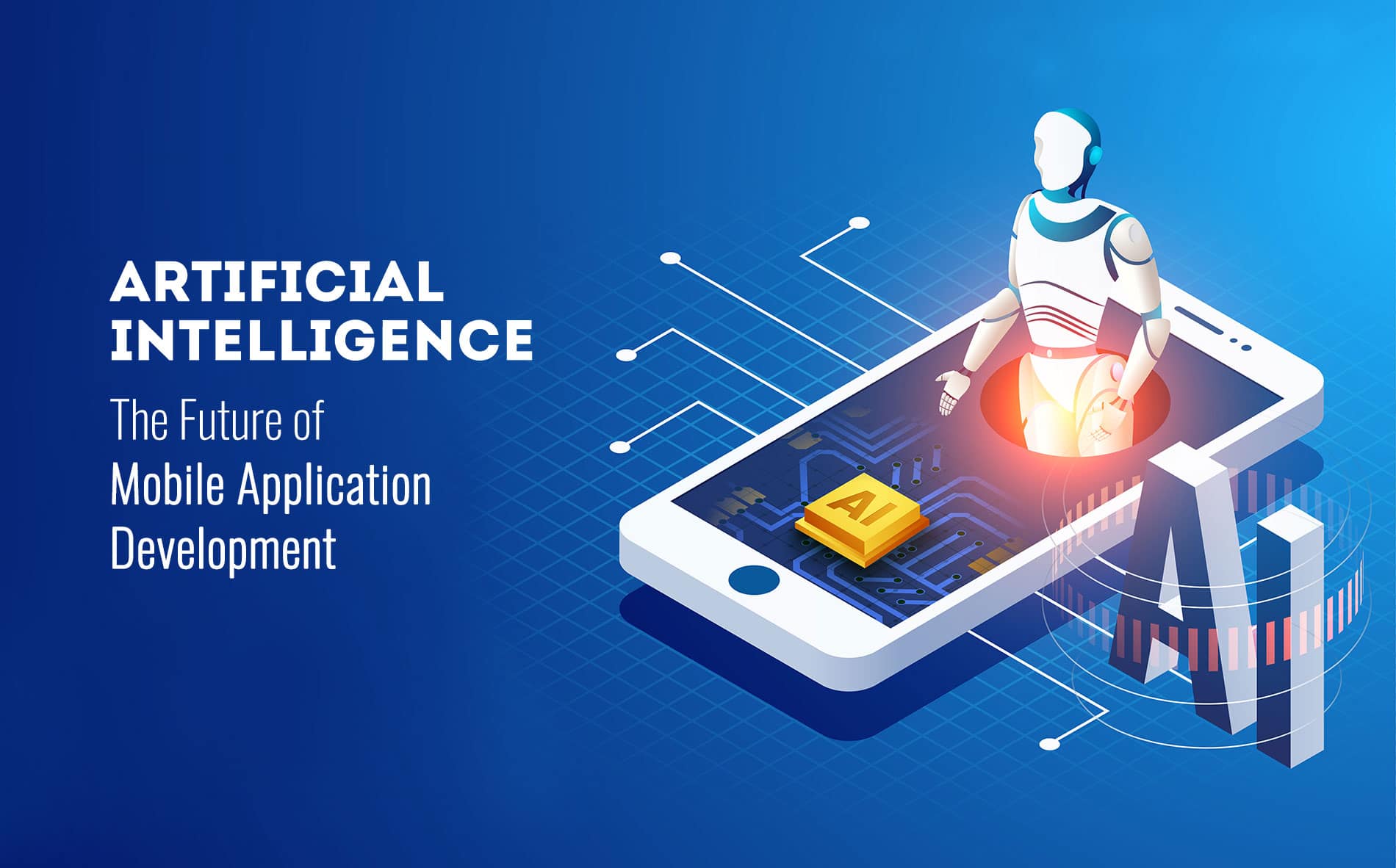
Artificial intelligence (AI) is referred as the backbone of several industrial, automotive and electronics applications. Over the last few years, technological developments have made phones smarter with time. Global smartphone enterprises including Apple, Samsung, and others have introduced powerful AI driven AR/VR chips in their smartphones that can function more tasks per second while also use less power to fulfill the operations. All features starting from Face ID to Augmented Reality is based on artificial intelligence. This is why, all smartphones now contain special hardware, designed to conduct AI-based tasks more efficiently.
Moreover, a smartphone consists of more than ten sensors including camera sensors, microphone sensors, GPS sensors, and so on. With AI integration in the camera, smartphone algorithms can help in finding the right lens for the light conditions, in adjusting the photo filters and can also help in identifying a panorama or person during snapping.Â
At the same time, AI driven mobile phones can automatically sort the taken images in the gallery in a human manner, for example, according to dates, or places, or friend’s names. Apple’s IPhone contain a gallery software that automatically make an animated musical story video of a particular day. In addition, Apple has revealed that the iPhone XS, XS Max and XR consist of an A12 Bionic chip that features a neural engine made to utilize AI hardware in more than one way.
Furthermore, modern smartphones now contain more advanced virtual assistant capabilities. In fact, the speech recognition feature has become better as it can offer enhanced level of comprehension in noisy places, sometimes better than a human listener. Also, the face recognition feature in smart phones is based on artificial intelligence and machine learning.
According to a report published by Allied Market Research, the mobile artificial intelligence market size is anticipated to reach $84.8 billion with a significant CAGR from 2021 to 2030. North America is currently holding the highest share of the market. However, Asia-Pacific, especially due to wide usage of AI technology in China, is going to exhibit the fastest growth rate.
In the era where data privacy is very crucial, AI integration offer more enriching and secure experiences by guaranteeing better data protection and lower latency with efficient improvement. In such way, it can provide better understanding of customers to organizations including banking, retailing, and automation to a great extent. Firms can recognize customer’s current location and can target to offer contextual offers accordingly. Also, as AI technologies in smartphones are growing, more firms are likely to do mobile marketing to target their potential customers without interfering consumer’s personal details, which in turn, is going to boost the mobile artificial intelligence market in impossible ways.

Koyel Ghosh
Author’s Bio- Koyel Ghosh is a blogger with a strong passion and enjoys writing in miscellaneous domains, as she believes it lets her explore a wide variety of niches. She has an innate interest in creativity and enjoys experimenting with different writing styles. A writer who never stops imagining, she has been serving the corporate industry for the last five years.
Avenue: Entire Library membership of Allied Market Research Reports at your disposal
- Avenue is an innovative subscription-based online report database.
- Avail an online access to the entire library of syndicated reports on more than 2,000 niche industries and company profiles on more than 12,000 firms across 11 domains.
- A cost-effective model tailored for entrepreneurs, investors, and students & researchers at universities.
- Request customizations, suggest new reports, and avail analyst support as per your requirements.
- Get an access to the library of reports at any time from any device and anywhere.
Related Post

Share on Social Media


-
How are Submarine Cables Transforming Global Connectivity with Enhanced User Experience?
-
Endoscopy Procedures: Transformations in Techniques and Applications
-
AI-Powered Video Analytics: How the Product Actually Works for enterprises
-
Painting Robots: Transforming Precision Coating and Creative Applications
-
Innovations in Pharmacovigilance Systems Advancing Patient Safety
-
Understanding Edge Security: Keeping Data Safe Near the Source
-
Exploring the Use and Advancements of 3D Laser Scanners in Professional Applications
-
Reinforcing Industrial Controls with Smarter Tools and Training