Use of Laparoscopy Devices Has Become Predominant in the Healthcare Industry
31 Oct
2020
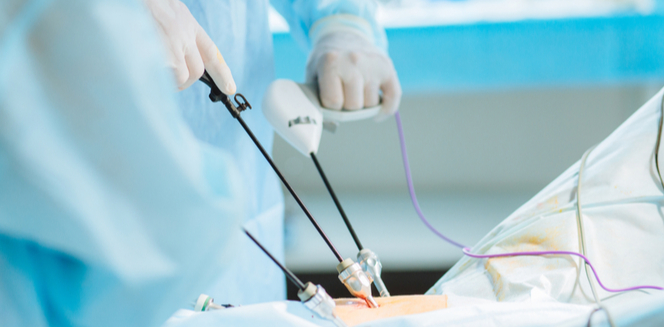
Laparoscopy can be defined as a kind of surgery that uses smaller cuts than expected. The term ‘laparoscopy’ has been originated from laparoscope, meaning a sleek device with a slender video camera and light at the tail. Once inserted through a small cut by the respective surgeon, the device presents the exact view of what’s happening right inside the body. The camera tends to pass on the images as it makes its space through the abdomen. Almost similar to minimally invasive surgery, laparoscopy procedure was first used for gallbladder operation and certain gynecology surgeries. But, nowadays, it’s successfully being utilized for liver, intestines, and other organs.
Laparoscopy has now found its array of applications in the treatment of fibroids, ectopic pregnancy, cysts, PCOS, endometriosis, PIV etc. Also, diseases like pancreatic cancer and several gastrointestinal disorders can be well diagnosed with this avant-garde method. Right use of laparoscopy devices not only ensures minimal bleeding and triggers up the hemostasis process, but also accelerates the healing course. The desired level of accuracy and precision offered by these devices in surgeries has made them a highly preferred choice in the medical sector.
Gone are those days when a surgeon used to have no other option than cutting the patient’s belly wide open to make a cut of minimum six to twelve inches long. This would give them the required space to reach the very part they had to work on.
In laparoscopic surgery, on the contrary, the surgeon just has to make several small incisions. And, each cut is not supposed to be more than a half-inch long. This is the reason why it’s also referred as keyhole surgery. After insetting a tube through each cut, the surgical instruments go through the incisions and that’s the way the surgeon performs the operation. And, there is practically no doubt that laparoscopy procedure offers a plethora of benefits over conventional ways of surgery. The fact that it involves less cutting makes the patient feel minimal pain while the scars get better and they heal quicker as well. This way, they can get back to their normal activities faster. When with traditional procedures, one has to go through a recovery time of four to eight weeks, with laparoscopy surgery on board, maximum two to three weeks are enough for the patient to recover fully. Also, one might stay in the hospital for not more than two days.
According to Allied Market Research, the global laparoscopy devices market is anticipated to grow at a significant CAGR from 2020 to 2027. Increase in the number of cases of morbid obesity is the prime factor fueling the growth of the market in more than one way. At the same time, surge in the prevalence of bariatric surgeries, across the world, to decrease body weight boosts the market yet more. Most importantly, emergence of cutting-edge laparoscopic devices and surge in adoption of robot-aided laparoscopic procedures are projected to pave the way for multiple opportunities for the key players in the industry

Koyel Ghosh
Author’s Bio- Koyel Ghosh is a blogger with a strong passion and enjoys writing in miscellaneous domains, as she believes it lets her explore a wide variety of niches. She has an innate interest in creativity and enjoys experimenting with different writing styles. A writer who never stops imagining, she has been serving the corporate industry for the last five years.
Avenue: Entire Library membership of Allied Market Research Reports at your disposal
- Avenue is an innovative subscription-based online report database.
- Avail an online access to the entire library of syndicated reports on more than 2,000 niche industries and company profiles on more than 12,000 firms across 11 domains.
- A cost-effective model tailored for entrepreneurs, investors, and students & researchers at universities.
- Request customizations, suggest new reports, and avail analyst support as per your requirements.
- Get an access to the library of reports at any time from any device and anywhere.
Related Post

Share on Social Media


-
How are Submarine Cables Transforming Global Connectivity with Enhanced User Experience?
-
Endoscopy Procedures: Transformations in Techniques and Applications
-
AI-Powered Video Analytics: How the Product Actually Works for enterprises
-
Painting Robots: Transforming Precision Coating and Creative Applications
-
Innovations in Pharmacovigilance Systems Advancing Patient Safety
-
Understanding Edge Security: Keeping Data Safe Near the Source
-
Exploring the Use and Advancements of 3D Laser Scanners in Professional Applications
-
Reinforcing Industrial Controls with Smarter Tools and Training